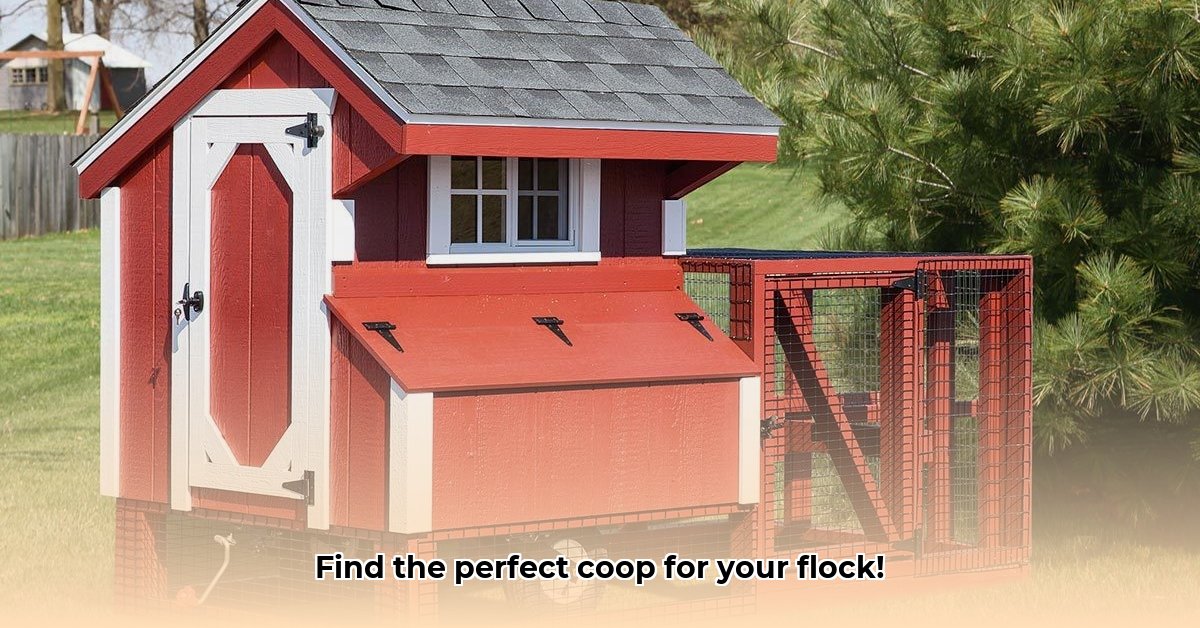
Choosing the Right Mobile Chicken Coop: Chicken Ranger vs. The Hen House Collection
Selecting a mobile chicken coop requires careful consideration of various factors. This comparative review analyzes two popular brands: Chicken Ranger and The Hen House Collection, highlighting their strengths and weaknesses to aid your decision-making process. Whether you're a backyard chicken enthusiast or a larger-scale poultry farmer, understanding these key differences will help you choose the best option for your needs and budget. For additional coop options, check out this helpful resource.
Coop Capacity and Flock Size: A Fundamental Consideration
Before diving into brand specifics, determine your current and future flock size. This is paramount. Chicken Ranger offers models suitable for larger flocks, accommodating up to 100 broilers. This is ideal for significant egg production or meat bird farming. In contrast, The Hen House Collection's "Tractor" model caters to smaller flocks, making it a perfect fit for backyard setups. Overcrowding leads to stress, disease, and reduced egg production. Underestimating your needs results in early coop replacement.
Material Matters: Durability and Aesthetics
The choice between wood and metal significantly impacts both durability and aesthetics. Chicken Ranger coops primarily utilize galvanized steel and vinyl, boasting superior weather resistance and minimizing maintenance demands like painting. This translates to lower long-term costs. The Hen House Collection, however, typically uses wood, offering a more rustic appeal. Wood, however, requires more upkeep, including regular repainting and potential treatment for wood rot or insect infestations. The visual appeal of wood might come with increased long-term expenses. Which aligns better with your priorities and budget?
Long-Term Investment: Total Cost of Ownership
While the initial purchase price is a significant aspect, the complete picture includes ongoing maintenance, repairs, and eventual coop replacement. Galvanized steel coops, like those from Chicken Ranger, generally exhibit greater longevity, minimizing long-term costs. Wood coops, while initially cheaper, may demand more frequent repairs, repainting, and eventually, complete replacement. Accurate price comparisons are challenging due to fluctuating online pricing. We recommend contacting each vendor directly for up-to-date pricing information.
Feature Comparison: Chicken Ranger vs. The Hen House Collection
The following table offers a side-by-side comparison of key features:
| Feature | Chicken Ranger | The Hen House Collection | Considerations |
|---|---|---|---|
| Main Material | Galvanized Steel, Vinyl | Wood | Durability, maintenance, aesthetics, and personal preference |
| Chicken Capacity | Larger flocks (up to 100 broilers) | Smaller flocks | Current and future flock size |
| Predator Protection | Advertised as highly protective | Advertised as highly protective | Independent verification is crucial |
| Mobility | Designed for easy movement | Designed for easy movement | Ease of movement across your land |
| Assembly | Assembly ease varies by model | Assembly ease varies by model | DIY skills and available time |
| Estimated Price | Obtain current pricing directly from the vendor | Obtain current pricing directly from the vendor | Get multiple quotes; prices fluctuate significantly. |
Making Informed Decisions: Your Needs and Priorities
The "best" coop depends largely on individual needs and priorities. Consider the following:
- Flock size: How many chickens do you currently have and plan to have in the future?
- Maintenance preferences: Do you prefer low-maintenance options or are you comfortable with more frequent upkeep?
- Aesthetic preferences: Do you prefer a modern, durable look or a more rustic aesthetic?
- Budget: Consider not only the initial purchase price but also the long-term costs of maintenance and replacement.
Remember to always verify claims regarding predator protection independently. Thorough research and direct comparisons from vendors will help you make an educated decision that ensures a thriving and safe environment for your flock.
Calculating Total Cost of Ownership: A Step-by-Step Guide
A comprehensive cost assessment goes beyond the upfront price. This involves:
- Initial Investment: Include the purchase price, assembly costs (if applicable), and any necessary initial setup expenses.
- Annual Maintenance: Factor in costs like lubrication, minor repairs, cleaning supplies, and potential treatment for wood rot or insect damage (if applicable).
- Repair Costs: Allocate a budget for unexpected repairs, such as wheel replacements or structural damage.
- Replacement Costs: Project the lifespan of the coop and estimate the cost of eventual replacement. High-quality materials lead to cost savings in the longer term.
By systematically analyzing these facets, you are better equipped to determine the true long-term cost of ownership for each coop option. This allows for a thorough comparison, supporting an informed decision that balances immediate expense with long-term value. Remember, the seemingly cheaper initial purchase price may not always translate to the most financially sound decision over time.